
The Nature of Luck in Gambling
Luck is often perceived as an enigmatic force that can significantly influence the outcomes of various games, particularly in the vibrant environments of casinos. When players approach the slot machines or take their seats at the roulette table, many firmly believe that luck plays a pivotal role in determining whether they will leave the casino with a pocketful of winnings or empty-handed. This belief arises from the inherently unpredictable nature of games of chance, where outcomes depend heavily on random events rather than skill or strategy. Thus, luck becomes synonymous with the thrill and excitement of gambling, especially when players explore options like 1win that enhance their gaming experience and luring players into a realm where chance takes center stage.
The perception of luck is not uniform; it varies greatly among individuals based on their personal experiences and belief systems. For some, luck is a tangible energy that can be harnessed, while others regard it as a mere illusion, often influenced by superstitions or rituals they believe may sway the odds in their favor. This psychological aspect of luck can profoundly affect a gambler’s mindset, leading to behaviors that might influence their betting choices. While luck undoubtedly plays a role in gambling, individual interpretation can significantly alter its perceived impact on outcomes.
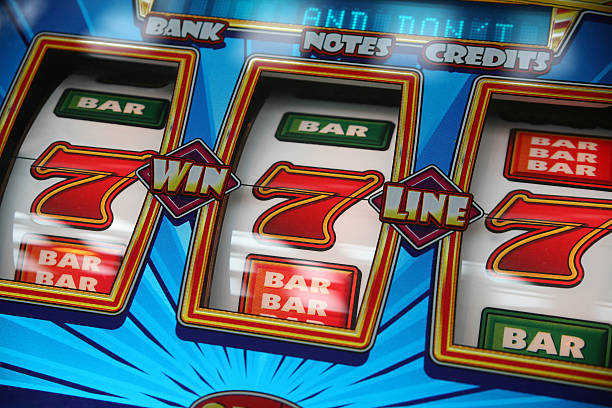
Moreover, casinos strategically enhance the notion of luck through their marketing and immersive gameplay experiences. The flashing lights, celebratory music, and vibrant décor create an exhilarating atmosphere where players feel invigorated and hopeful. This ambiance serves to reinforce the belief in luck, encouraging players to take risks, especially after experiencing a series of wins. However, it is crucial to recognize that while luck can manifest in fleeting moments, long-term success in a casino setting is primarily governed by probability and the house edge, which generally favors the establishment over time.
Statistical Odds Versus Luck
To understand the influence of luck in casino outcomes, one must consider the critical role of statistical odds. Every casino game is built on a specific set of rules and probabilities that dictate the likelihood of winning or losing. Take blackjack, for instance; the house edge is determined based on players’ optimal strategies and the probabilities associated with the cards dealt. This illustrates that while luck may sway individual rounds, the inherent advantage held by the house ensures that over time, outcomes will align more closely with statistical expectations rather than individual strokes of luck.
The relationship between luck and statistical odds unveils an essential concept in gambling—variance. Variance captures the fluctuations in results that arise from random circumstances. Players may encounter winning streaks that lead them to believe they possess luck on their side; however, these outcomes can often be explained through the law of large numbers. As players engage in more rounds, the results will converge toward expected probabilities, ultimately diminishing the role of luck in the long run.

Additionally, this statistical perspective can lead to disillusionment among players who attribute their losses solely to bad luck. This mindset can hinder their recognition of the importance of understanding the games they engage with and the strategies that could enhance their odds. Consequently, while luck contributes to immediate outcomes, players must also appreciate the underlying mathematical principles that govern their chances over time, enabling them to make informed decisions rather than relying solely on fortune.
The Psychological Impact of Luck on Players
The psychological belief in luck can significantly shape a player’s behavior and decision-making processes while gambling. Many individuals develop rituals or carry lucky charms, convinced that these practices will help attract favorable outcomes. This behavior manifests in various ways, such as wearing specific outfits, carrying particular items, or even choosing certain seats at a gaming table. While these actions may provide comfort and bolster a player’s confidence, they rarely influence the actual odds of winning, which remain steadfastly rooted in chance.
An intriguing aspect of this psychological phenomenon is the “gambler’s fallacy,” a cognitive bias in which players mistakenly believe that past events influence future outcomes in games of chance. For example, one might think that after several consecutive losses, they are “due” for a win, which is a flawed interpretation of randomness. This mindset can lead to reckless betting behaviors as individuals chase the notion of recovering previous losses, driven by the illusion of luck’s influence. The psychological effects of luck thus create a cycle, where belief in luck intertwines with gambling habits.
Interestingly, the impact of luck-related beliefs extends beyond personal feelings of control, shaping social interactions among players as well. Gamblers often share their stories of fortune, celebrating victories and lamenting losses with friends or fellow players. This communal narrative reinforces the significance of luck within gambling culture and contributes to the allure of casinos, where tales of life-changing wins serve as constant reminders of the potential for success. Ultimately, the belief in luck weaves a rich tapestry of emotional experiences that further entrench players in the gambling world, despite the underlying statistical realities.
Strategies to Counteract the Role of Luck
While luck undeniably plays a role in casino games, players can adopt various strategies to mitigate its impact. A fundamental approach is to understand the rules and odds of the games being played. Players who familiarize themselves with the mechanics of blackjack, poker, or even slot machines are better equipped to make informed decisions. By focusing on games that emphasize skill, such as poker, gamblers can leverage their strategic thinking to enhance their chances of winning, rather than relying solely on luck.
Setting limits on gambling activities is another essential strategy that can help players maintain control over their experiences. This involves budgeting for potential losses and establishing win goals, which can lead to a more disciplined and enjoyable gambling experience. By creating boundaries, players can relish the thrill of gaming without succumbing to the whims of luck, fostering a sense of agency and control that contrasts sharply with the feelings of helplessness that often accompany pure chance-based gambling.
Finally, engaging in games that allow for skill development can shift the focus from luck-based outcomes to competency-based achievements. Participating in poker tournaments or strategy-based games encourages players to sharpen their skills, transforming the experience from one heavily reliant on luck to one that offers greater satisfaction derived from personal achievement. By emphasizing skill and strategy, players can significantly reduce the influence of luck and cultivate a more fulfilling gambling experience, enhancing both enjoyment and potential success.
Exploring More on the Role of Luck
For those intrigued by the dynamics of luck in casino outcomes, a wealth of resources is available that delve deeper into both the psychological and mathematical aspects of gambling. Books and articles exploring gambling strategies, odds, and probabilities can provide valuable insights, empowering players to make more informed decisions that enhance their gaming experiences. Furthermore, engaging with online communities and forums dedicated to gambling can foster understanding and offer emotional support among individuals who share similar interests.
Moreover, certain websites provide strategy guides and tips aimed at helping players improve their gaming skills while comprehending the role of luck in their experiences. These resources often include detailed analyses of specific games, illustrating how players can apply statistical concepts to their gambling endeavors. For those interested in maximizing their enjoyment while navigating the unpredictable nature of luck, accessing such information can be invaluable in shaping their overall gambling strategies.
In conclusion, while luck remains a captivating element of casino experiences, understanding its role alongside the statistical foundations of games can lead to more rewarding and enjoyable outcomes. Players who adopt a balanced approach—leveraging their skills while acknowledging the randomness of luck—can cultivate a more enriching gambling experience. This dual understanding enables players to enjoy the thrill of the game while making informed decisions, ultimately enhancing their overall enjoyment and potential for success in the casino environment.