
The thrill of the chase
The allure of casinos often lies in the excitement and unpredictability they offer. The thrill of potentially winning big draws many people through the doors, fueling a sense of hope that transcends ordinary experiences. This adrenaline rush, akin to high-stakes scenarios, creates a compelling atmosphere where the outcome could change one’s life. As players explore options at new betting sites , the anticipation builds significantly, heightening their emotional stakes and fully immersing them in the experience of gambling.
This phenomenon, known as the “near-miss effect,” describes how players feel a sense of euphoria when they come close to winning, even if they ultimately lose. This psychological trigger can create a compelling loop of behavior that keeps individuals returning for more. The close call stimulates feelings of excitement and triggers a desire to keep playing, supported by the subconscious belief that the next round might be the one that brings success. This cycle of hope is a powerful motivator that often blinds players to the reality of their losses.
Moreover, casinos are designed to manipulate environmental factors that enhance this thrill. Bright lights, loud sounds, and the constant buzz of excitement create an atmosphere rich with stimulation. This sensory overload can distort players’ perception of time, encouraging them to lose track of how long they have been engaged in the activity. The combination of these elements reinforces the notion that the next bet could be the big win, capturing players in a cycle of continuous play that often leads to extended visits and increased spending.
The social aspect of gambling
Casinos often serve as vibrant social hubs where individuals gather not just to gamble but to interact and connect with others. This communal aspect creates a sense of belonging that is psychologically reinforcing. For many, visiting a casino is not merely about the gambling itself but also about the shared experiences with friends and strangers alike, enhancing their enjoyment. The interactions and camaraderie experienced in these settings can amplify the excitement, making the atmosphere even more inviting and fun.
The presence of other players can significantly magnify the emotional highs and lows experienced during play. The thrill of winning can lead to shared celebrations, while losses often seem lighter when shared with others. This social reinforcement can make the gaming experience more enthralling, as players feed off each other’s enthusiasm, sometimes resulting in a collective atmosphere of celebration or despair. Such dynamics can encourage individuals to gamble more than they might typically consider on their own, blurring the lines between individual and group experiences.
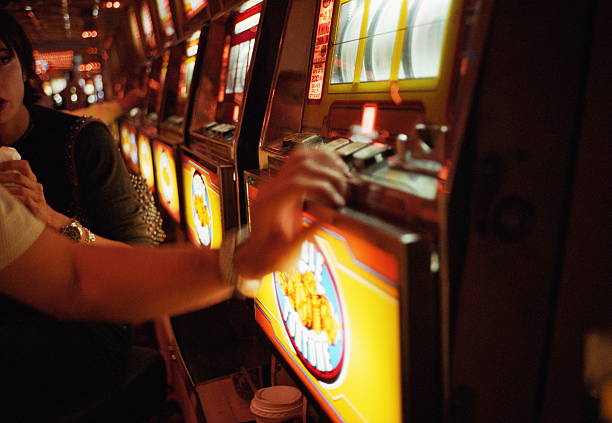
Furthermore, casinos often host events and entertainment beyond gaming, elevating their role as leisure venues. Dining options, live performances, and social gatherings create a well-rounded experience that appeals to those who may not usually partake in gambling. This accessibility reinforces the idea of casinos as destinations for entertainment, further drawing people in and enhancing their psychological connection to these venues. As a result, gambling becomes intertwined with social interactions and enjoyable experiences, making the casino a favored destination for many.
The psychological impact of rewards
The brain’s reward system plays a significant role in our affinity for casinos. When individuals gamble and experience wins, their brains release dopamine, a neurotransmitter associated with pleasure and satisfaction. This chemical response not only reinforces the desire to win but also strengthens the emotional connection to gambling activities. The exhilaration of winning creates lasting memories that players are likely to chase in future visits, building a cycle of anticipation and excitement.
This reward-based model of behavior explains why many individuals return to casinos even after experiencing losses. The potential for a big win can overshadow previous negative outcomes, making players focus on the excitement of what might happen next rather than the reality of their past experiences. This psychological phenomenon is compounded by the belief that past performance does not predict future results, further fueling the cycle of hope and gambling. The allure of a possible jackpot often outweighs the lessons learned from previous losses.
Additionally, the concept of “loss aversion” significantly influences players’ decisions. People generally prefer avoiding losses over acquiring equivalent gains, leading to paradoxical behaviors. The fear of losing money can drive individuals to gamble more in hopes of recouping their losses. This interplay between reward anticipation and loss aversion keeps individuals engaged in gambling activities, often leading them back to the casino floor time and again, reinforcing the idea that the next gamble could be the one that changes everything.
The environment’s role in enhancing experience
Casinos are intricately designed to enhance the gaming experience, utilizing various architectural and psychological principles. The layout often encourages wandering, with pathways that lead players past exciting games and amenities that entice them to stay longer. This physical design manipulates player behavior, leading to more time spent within the venue than originally planned. The aim is to create a seamless journey through spaces that offer continuous stimulation and excitement, making it difficult for players to leave.

Moreover, the absence of clocks and windows in many casinos serves to disorient players regarding time. By creating an environment where time seems irrelevant, casinos encourage extended play. This effect, combined with sensory elements such as music, lighting, and engaging décor, contributes to a feeling of being in a different reality. Players often feel as though they have entered a world where luck and fortune thrive, reinforcing their commitment to the game and increasing their likelihood of returning.
The social spaces, bars, and lounges within a casino also play a vital role in shaping the overall experience. These areas provide players with opportunities to gather, celebrate, and decompress, enhancing the enjoyment of the casino visit. By integrating social interactions into the gambling experience, casinos build a community feeling that further entrenches players in the environment. This sense of belonging, combined with the thrill of gambling, creates a potent blend that keeps individuals coming back for more.
Understanding the casino experience through the website
For those looking to explore the dynamics of casino psychology, various websites offer insights into the intricacies of gambling behavior and the overall casino experience. These platforms delve into the science behind why people are drawn to casinos, examining the psychological triggers and societal influences at play. Users can access valuable resources, articles, and expert opinions that illuminate the various psychological elements influencing gambling habits, enhancing their understanding of this complex environment.
Additionally, these websites often provide comprehensive breakdowns of different games, their odds, and strategies to enhance the gambling experience. By offering a wealth of information, they help players become more informed about their choices while emphasizing responsible gambling practices. This knowledge empowers individuals to engage in the thrill of the casino environment while remaining mindful of their limits and the potential consequences of their actions, fostering a healthier relationship with gambling.
In conclusion, the intersection of psychology, environment, and social interaction creates a compelling case for why we are drawn to casinos. Understanding these factors can not only enhance a player’s experience but also foster a deeper appreciation for the complexities of gambling. As more individuals seek knowledge through dedicated websites, they can navigate the world of casinos more effectively, balancing the thrill of the chase with the importance of responsible gaming practices, ensuring that their experiences remain enjoyable and safe.