
The Influence of Color Schemes
Color plays a pivotal role in casino design, influencing players’ moods and decisions. The psychology of colors can evoke specific emotions; for instance, red is often associated with excitement and energy, making it a popular choice in gaming areas. Casinos frequently employ bold and vibrant colors to engage and energize visitors, enhancing the overall gambling experience. Additionally, the best australian online casino often utilizes these principles, ensuring that the thoughtful application of color is designed to stimulate enthusiasm and encourage longer stays, effectively creating an environment where players feel compelled to participate.
Beyond just excitement, different colors can also impact players’ perception of risk and reward. Cool colors like blue are often used in tranquil areas to promote relaxation and comfort, creating a stark contrast with the high-energy gaming floors. This careful balance is crucial, as casinos must cater to a variety of psychological states, ensuring guests feel both invigorated and at ease depending on their location within the establishment. In this way, designers deliberately manipulate color to foster specific emotional responses, which can ultimately influence spending behavior.
The choices in color palettes during casino design are not merely aesthetic; they are strategic. Designers consider how specific colors can affect financial decisions, drawing patrons deeper into the gaming experience. For instance, softer tones might be used in lounge areas to encourage casual conversation and social interaction, while vibrant hues in gaming zones can heighten the thrill of the experience. By creating environments that evoke certain feelings, casinos can manipulate the emotional landscape of their visitors, often leading them to spend more time and money within the venue.
The Role of Lighting
Lighting is another critical component of casino design, impacting the overall atmosphere and influencing player behavior. The strategic use of light can create an inviting ambiance to draw individuals in, often making areas look more appealing and vibrant. Bright lights are commonly used around gaming machines to attract attention, while softer lighting in dining areas encourages guests to linger longer. This manipulation of light contributes to the desired emotional experience of patrons, enhancing their enjoyment and encouraging them to stay within the space.
The concept of “no clocks and windows” is prominent in casino design, where artificial lighting eliminates time awareness. This design choice encourages players to lose track of time, potentially leading to extended gaming sessions. By creating an environment that feels timeless, casinos can maximize engagement and increase the likelihood of continued play, as guests become fully engrossed in their surroundings. This psychological tactic serves to immerse players in the gambling experience, often leading to higher expenditures as they remain captivated.
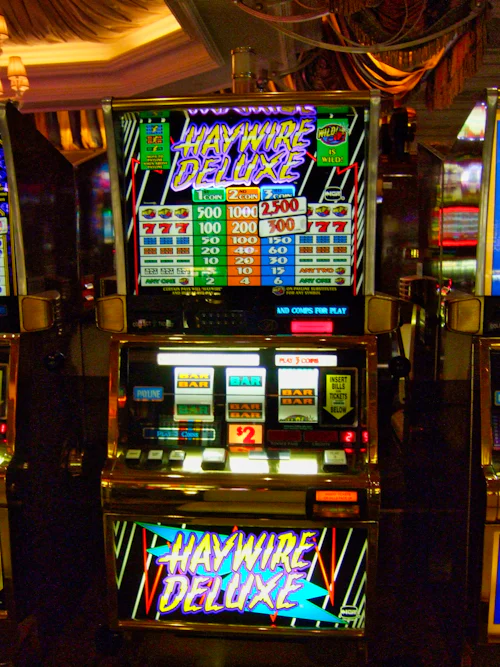
Moreover, the interplay of light and shadow has a psychological effect on perception. Highlighting certain areas while keeping others dim can entice players to explore the casino further. This creates an environment of mystery and curiosity, prompting visitors to investigate different gaming options or entertainment areas. Such lighting strategies are meticulously planned to ensure that the emotional journey of guests is carefully curated throughout their time in the casino, making them feel like they are part of an exclusive experience that is constantly unfolding.
The Layout and Flow of Space
The physical layout of a casino is a critical element in its design, orchestrating the flow of traffic and managing how patrons navigate through the space. Casinos are often designed with a labyrinth-like arrangement to encourage exploration; players may inadvertently find themselves wandering deeper into the gaming floor. This layout is intentional, as it emphasizes the thrill of discovery and keeps guests engaged longer than they might have planned. By creating a sense of adventure, casinos can enhance the overall excitement of the experience.
Additionally, the placement of slot machines, table games, and amenities is strategically crafted to maximize visibility and accessibility. High-traffic areas are filled with enticing games and large jackpots to attract foot traffic, while quieter, more intimate spaces are reserved for high-stakes gaming. This balance of excitement and exclusivity helps cater to diverse clientele, from casual players to serious gamblers, ensuring a wide array of experiences. Such strategic zoning within the casino not only enhances the user experience but also optimizes profitability.
The spatial experience within a casino is further enhanced through the strategic placement of amenities like bars and restaurants. These areas are designed as social hubs, allowing guests to take breaks from gaming without leaving the casino floor entirely. By integrating dining options into the design, casinos create a cohesive experience that encourages guests to remain on-site, blurring the lines between gaming and leisure activities. This not only enhances the overall visit but also increases the likelihood of continued spending as guests enjoy a full-service experience.
The Psychological Impact of Sound
Sound design within casinos is meticulously crafted to enhance the gambling experience and influence player behavior. The continuous background noise of slot machines, chimes, and laughter creates a lively atmosphere that subconsciously encourages participation. These auditory elements are not random; they are specifically chosen to evoke feelings of excitement and triumph, reinforcing the action of playing and winning. The soundscape of a casino is designed to create a sense of urgency and enthusiasm that can be contagious among patrons.

The absence of disruptive or unpleasant sounds is equally important in maintaining a positive experience. Casinos carefully manage sound levels to ensure that players feel relaxed and engaged, avoiding anything that might create discomfort or distraction. This focus on sound helps to cultivate an immersive environment where players can fully lose themselves in the gaming experience. The harmonious blend of sounds contributes to a captivating atmosphere that keeps guests entertained and eager to participate.
Moreover, casinos often utilize music to enhance the ambiance and align with specific times of day or events. For instance, upbeat music may play during peak gaming hours to energize players, while soothing melodies might fill the air in areas designated for dining and relaxation. The psychological impact of these audio choices cannot be understated, as they serve to reinforce the desired atmosphere and encourage guests to remain engaged with the casino environment. This strategic sound design plays a crucial role in shaping the overall experience of visitors.
Understanding the Website Experience
The digital presence of a casino extends the psychological principles found in physical designs to the online realm. Websites are designed with user engagement in mind, employing familiar visual elements and intuitive navigation to create an inviting atmosphere. Colors and graphics mimic the excitement of the brick-and-mortar experience, enticing visitors to explore available games and promotions. This seamless transition from physical to digital is essential in maintaining brand consistency and player interest.
Online casinos further capitalize on the psychology of game design, often employing gamification techniques to enhance user experience. Features such as rewards, progress tracking, and interactive elements are strategically integrated to maintain player interest and encourage frequent visits. The website acts as an extension of the casino environment, incorporating design principles that foster engagement and allure. This digital adaptation ensures that players feel as if they are part of a larger gaming community.
Additionally, just as physical casinos blend various sensory experiences, online platforms strive to evoke excitement and anticipation through sound design and visual cues. By ensuring that the virtual experience reflects the thrill of in-person gaming, online casinos create a cohesive brand identity that resonates with users and drives engagement. This strategic alignment between physical and digital experiences reinforces the overall appeal of the casino brand, making it more likely for players to return and engage repeatedly.